Source Excavator Sensor for Hydraulic, Temperature, and Pressure Systems
Compare 30 available excavator sensor options including water temperature, hydraulic pressure, and speed sensors for models like E320d and PC200-7. Buyers can review specifications, part numbers, and certifications such as CE and ISO9001 to find suitable replacements.
Key considerations
Products List


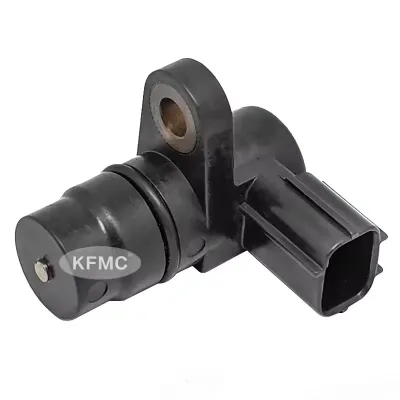


Comprehensive Sourcing Guide
Strategic Sourcing Guide for Excavator Sensor Components
The global construction equipment market relies heavily on the precision and reliability of hydraulic and thermal management systems. For procurement professionals specializing in heavy machinery, the excavator sensor represents a critical category of components that directly influence operational safety, fuel efficiency, and machine longevity. Sourcing these parts requires a disciplined approach that balances technical compatibility with supply chain resilience. This guide outlines the essential factors buyers must evaluate when acquiring excavator sensors, drawing upon observed market data and standard industry practices to ensure informed decision-making.
Technical Specifications and Model Compatibility
The primary challenge in sourcing excavator sensors lies in the vast diversity of machine models and the specific engineering requirements of each manufacturer. Unlike generic automotive parts, excavator sensors are often engineered to precise tolerances and communication protocols unique to specific brands and generations. The observed market data indicates a wide spectrum of part numbers and model specifications, ranging from thermal sensors to high-pressure hydraulic switches.
Buyers must first verify the exact part number and model compatibility before initiating any procurement process. For instance, the market contains listings for water temperature sensors with part numbers such as 30b0013, alongside control valves and pressure sensors with identifiers like 256-6453, 179-9335, and 31q-40810. These alphanumeric codes are not merely labels; they are the definitive keys to ensuring the sensor fits the physical interface and communicates correctly with the machine's Electronic Control Unit (ECU).
Furthermore, the physical dimensions and electrical characteristics are critical. Specifications observed in the market include specific packaging dimensions such as 90×22×25mm or 100mm×100mm×100mm, and weight variations ranging from 0.03kg to 1kg. These metrics are vital for logistics planning and inventory management. A sensor that fits the mounting point but has incorrect electrical resistance or signal output will fail to function, potentially causing the machine to enter a fail-safe mode or suffer catastrophic engine damage.
Buyers should also pay close attention to the "Applicable Models" field. Data indicates that specific sensors are designed for narrow ranges of machinery, such as the Cat E320d, E320c, or E320b, while others may serve a broader range including PC200-7, PC220-7, and PC300-7 series. Some listings explicitly mention compatibility with specific engine models like PC-6 or Caterpillar Voe20450707. When sourcing, the procurement team must cross-reference the machine's serial number and engine code against the supplier's compatibility list to avoid costly mismatches.
Compliance, Certification, and Quality Standards
In the B2B procurement of industrial components, compliance is not optional; it is a prerequisite for operational safety and legal liability management. The market data reveals that many listed excavator sensors carry the CE certification, indicating conformity with health, safety, and environmental protection standards for products sold within the European Economic Area. Some listings also reference ISO9001, a standard for quality management systems that suggests the manufacturer has established processes to ensure consistent product quality.
However, buyers must exercise caution when interpreting certification claims. While "CE" and "ISO9001" appear in the observed product attributes, these are often associated with specific listings rather than universal guarantees for all excavator sensors. A responsible procurement strategy involves requesting valid, up-to-date certification documents directly from the supplier for the specific batch of goods being purchased. Relying solely on a product title or a generic keyword listing is insufficient for high-value machinery components.
Additionally, the market context mentions standards such as EN 474-5, which relates to earth-moving machinery safety, though this is a background reference rather than a direct product attribute. Buyers should verify if the sensor design adheres to relevant international standards for hydraulic and electrical systems. For sensors operating in high-pressure environments, such as the "High Press Switch Sensor" noted in the data, compliance with pressure rating standards is essential to prevent hydraulic line failures.
The condition of the product is another critical compliance factor. The observed data consistently lists items as "New," which is the expected standard for replacement parts. However, buyers must distinguish between "New" genuine parts, "New" aftermarket equivalents, and refurbished units. The presence of "Customization: Available" in some listings suggests that suppliers may offer modified versions, which could alter the original certification status. Any customization must be reviewed for its impact on the machine's warranty and safety certifications.
Cost Drivers and Pricing Dynamics
Understanding the cost structure of excavator sensors is essential for budgeting and negotiation. The observed price range in the market spans from $1 to $1,067 USD, a significant variance that reflects differences in sensor type, complexity, brand, and technology. Low-cost items, likely simple temperature switches or basic sensors, fall at the lower end of this spectrum, while high-pressure hydraulic sensors or specialized control units command premium prices.
Several factors drive these costs. First, the complexity of the sensor technology plays a major role. A basic water temperature sensor is mechanically simpler and less expensive than a high-precision pressure sensor that requires advanced signal conditioning and robust housing. Second, the brand reputation and original equipment manufacturer (OEM) status influence pricing. Genuine OEM parts typically carry a higher price tag than aftermarket alternatives, but they often come with better quality assurance and longer warranties.
The Minimum Order Quantity (MOQ) is another critical cost driver. The observed MOQ range is between 1 and 10 units. Suppliers with an MOQ of 1 offer flexibility for emergency repairs or small fleet maintenance, while those requiring an MOQ of 10 are likely targeting bulk buyers or distributors. Buyers should calculate the total cost of ownership, including shipping and handling, which can be significant for heavy or bulky items. The observed packaging types, such as "Wooden Packing Box," "Wooden Case," or "Carton," also impact shipping costs, as wooden crates are heavier and more expensive to transport than neutral plastic or cardboard packaging.
Typical Applications and Operational Context
Excavator sensors are deployed across various subsystems, each serving a distinct operational function. The most common applications identified in the market data include thermal management, hydraulic pressure monitoring, and engine speed control.
Water temperature sensors are critical for preventing engine overheating. These components monitor the coolant temperature and relay data to the operator's display or the ECU to trigger cooling fans or alarm systems. The presence of part numbers like 30b0013 and 11110738 in the data suggests a high demand for these thermal management components across multiple machine models.
Hydraulic pressure sensors, such as the "Excavator Pressure Hydraulic Sensor" with part number 60014940, are vital for maintaining the efficiency of the hydraulic system. They monitor pressure levels in the boom, arm, and bucket circuits, ensuring that the machine operates within safe limits and that the hydraulic pump is functioning correctly. High-pressure switches, like the 221-8859 model, are specifically designed to detect pressure spikes or drops, protecting the system from damage.
Speed sensors, such as the PC200-7 Speed Sensor, are used to monitor engine RPM and transmission speed, ensuring optimal power delivery and fuel efficiency. These sensors are often integrated with the engine control system to adjust fuel injection timing and gear shifting. The diversity of applicable models, including E320c, E320b, E320d, and various PC series, highlights the need for precise matching between the sensor and the specific excavator configuration.
Supplier Evaluation and Verification
Selecting the right supplier is as important as selecting the right part. The market data indicates that products originate from various locations, with "China" and "Guangdong China" being prominent sources. While these regions are known for manufacturing capabilities, buyers must conduct thorough due diligence to ensure supplier reliability.
Key evaluation criteria include the supplier's ability to provide detailed product specifications, valid certifications, and proof of quality control. The observed data mentions "Video Outgoing-Inspection: Provided" for some listings, which is a positive indicator of transparency. Buyers should prioritize suppliers who offer video evidence of the product condition and packaging before shipment. Additionally, the availability of "Online Support" for after-warranty service is a crucial factor for maintaining operational continuity.
Buyers should also assess the supplier's inventory depth and lead time capabilities. While specific lead times are not provided in the data, the variety of part numbers suggests a robust supply chain. However, for critical components, buyers should verify the supplier's ability to fulfill orders quickly to minimize machine downtime. The presence of "Customization: Available" suggests that some suppliers can adapt products to specific needs, but this should be weighed against the potential risks of non-standard parts.
Quality Control and Long-Term Procurement Considerations
Ensuring the quality of excavator sensors requires a proactive approach to quality control. Buyers should request detailed inspection reports, including test results for electrical continuity, pressure ratings, and temperature tolerance. The observed data lists various packing standards, such as "Neutral Packing," "Netural Package," and "Wooden Case," which can affect the protection of the sensor during transit. Proper packaging is essential to prevent damage from moisture, shock, or vibration.
Long-term procurement strategies should focus on building relationships with reliable suppliers who can provide consistent quality over time. This includes establishing clear communication channels for technical support and warranty claims. The "After Warranty Service: Online Support" attribute indicates that some suppliers offer remote assistance, which can be invaluable for troubleshooting issues without the need for immediate physical intervention.
Buyers should also consider the lifecycle of the sensor. High-quality sensors with robust packaging and verified certifications will have a longer service life, reducing the frequency of replacements and lowering the total cost of ownership. Regular maintenance and monitoring of sensor performance can help identify potential failures before they lead to machine breakdowns.
In conclusion, sourcing excavator sensors requires a meticulous approach that combines technical verification, compliance checks, and strategic supplier evaluation. By focusing on the specific needs of the machine, verifying certifications, and understanding the cost drivers, buyers can secure high-quality components that ensure the reliability and efficiency of their excavator fleets. The diversity of the market offers numerous options, but success lies in the ability to discern the right product for the right application through rigorous due diligence.
FAQs
What certifications do excavator sensors typically have?
Many listed excavator sensors carry CE certification, indicating conformity with safety standards. Some listings also reference ISO9001 for quality management. Buyers should request valid documents directly from the supplier for the specific batch being purchased to ensure compliance.
Which part numbers are available for water temperature sensors?
Available part numbers include 30b0013 for water temperature sensors. Other identifiers like 11110738 and 15180002 appear in listings for similar components. Verify the exact code against your machine's requirements to ensure correct fit and communication.
Can buyers find excavator sensors with customization options?
Customization is available for some excavator sensor listings. However, other items are marked as non-customized. Any modification must be reviewed for its impact on the machine's warranty and original safety certifications before proceeding with procurement.
How does the price range vary for these sensors?
The observed price range spans from 1 to 1067 USD. Low-cost items are likely simple switches, while high-pressure hydraulic sensors command premium prices. Complexity, brand reputation, and technology level are the primary drivers for these cost differences.
Which excavator models are compatible with these sensors?
Specific sensors are designed for models like Cat E320d, E320c, and PC200-7 series. Others may serve broader ranges including PC220-7 and PC300-7. Cross-reference the machine serial number and engine code against the supplier's compatibility list to avoid mismatches.
What packaging types are used for shipping these parts?
Packaging options include Wooden Packing Boxes, Wooden Cases, Cartons, and Neutral Packing. Dimensions vary, such as 90×22×25mm or 100mm×100mm×100mm. Proper packaging is essential to prevent damage from moisture, shock, or vibration during transit.
What after-warranty services are provided by suppliers?
Some suppliers offer Online Support for after-warranty service. Video outgoing-inspection is also provided for certain listings to ensure product condition. These services help maintain operational continuity and assist with troubleshooting issues remotely without immediate physical intervention.